In what ways does your media product use, develop or challenge forms and conventions of real media products?
For my final front cover, I wanted it to come across authentic with a hint of outlaw to match the title of 'Renegade'. The word 'Renegade' itself connotes a person who betrays and organisation or set of principles and is in their own respect dangerous. I feel that this fits perfectly with the common representations of the hip-hop music culture and I wanted this to reflect through my magazine front cover. Therefore I decided to ask my models (Aaron and Cameron) to position themselves in a manner that conveys this non-caring attitude. This has been shown through the body language of the people on the cover. Both males are leaning against the brick wall behind them, conveying their relaxed, care free attitude. The emotionless facial expressions that they are portraying also fits well with the unworried stance that is being represented. If you look closely at the people on the cover itself, you may notice that only one model is looking directly at the camera. The direct eye contact and folded arms creates a sense of defence that I also feel fits well with the tone of the magazine. Most hip-hop magazine front covers convey a similar barrier of defence between the audience and the people on the cover, which I think automatically puts the magazine or genre of music on a higher level compared to other music magazine genres such as 'indie'.
I placed the bar code in the bottom right corner so that no attention is withdrawn from the main focus of the magazine. Although I have not included a price on my magazine, I think that £.01.19 is the correct price for 'Renegade' to be sold at. I say this because I want the magazine itself to appeal to all kinds of people that love this genre of music regardless of income. I decided to place the names of the talent on the cover in the same manner as a currently famous icon in the hip-hop culture to reinforce the reality of the magazine. Most current hip-hop music magazines use the same font throughout the entire front cover. Although I have stuck with a main font, I thought that it would be a good idea to use a font called 'learning curve' to emphasise the key information that I want my audience to notice on the magazine cover. Examples of this are 'Drake and Jhene' and 'the greatest'. I thought that highlighting powerful words would reassure my audience that there is no other culture like hip-hop.
I feel that my music magazine challenges other, real music magazines because I have used a different style and colour scheme to other music magazines. If you look at famous hip hop magazines such as 'VIBE' or 'XXL' you may notice that they seem to splash many various colours and themes on their music magazine covers. However, this is not the approach that I wanted my magazine to take. I feel that using a cool, blue tone throughout creates a sense of stability and collectivity. I feel that using too many colours could confuse the audience and make the page look unappealing. The dullness of the page allows the title RENEGADE to stand out even further and I feel that keeping one colour scheme throughout each cover of any form of publication can make the magazine more recognisable to the audiences.
I think that my music magazine may develop other music magazines because I have decided to include many famous hip hop artists names on my cover. This contrasts with many other successful music magazines because they only tend to feature one popular name on the front cover. However this was not the approach that I wanted my magazine to take. I feel that using many current artists will attract a wider audience and create an intended theme of freedom. Going against other typical front covers also goes in the line with the consistent reckless theme that I have tried to portray throughout my entire production, like I have repeated many times.
Sunday, 19 January 2014

Evaluation
Looking back at your preliminary task, what do you feel you have learnt in the progression from it to the full product?
Here is my previous magazine front cover that I had created for my preliminary task.


Here is my previous magazine front cover that I had created for my preliminary task.
Looking back at this magazine front cover that I had created previously, I have realised how much goes into constructing a text to a deadline. I have noticed some vital features that should have been included, like a bold title that stands out. My title and font of this magazine front cover is not particularly appealing and does not do a successful job of engaging and sustaining the audience. I fee that this would be a major issue if this was my final magazine front cover, as it is significantly important to make sure the cover actually looks like a magazine. Magazines such as XX1 and VIBE do as great job of making the front cover look as attractive as possbile so that a wide as possible audience is attracted.I think that I should have used a red-toned photo, or remove the picture altogether. I have learnt that it is extremely important that everything on the cover of any magazine fits together and works properly. This includes the text, people and images that may be included. Another thing that I think I should have considered, and nw will always consider is the photos and text on the cover. As you can see, on my front cover my red text seems to overlap the image. Although in some cases this can be effective in making the writing stand out and linking the image and text together, if the colour doesn't reflect correctly off of the photo it can look messy and can look improper (like my magaziune above)
The title of my magazine does not flow in line with the rest of the font on the front cover. This is because I have used different fonts throughout. In my final music magazine front cover I ensured that I used the same font on the entire page, so that the magazine looks stable and united. After doing some research and looking at other magazines that are similar to the one that I have created, I have also noticed that it is exceedingly important that the title stands out to the readers more than anything else on the page. This is to ensure that readers of the magazine, or passers by in a shop remember your magazine so that it becomes popular. Despite using clear, readable font, I feel that the text that I have used on this cover should have been more spaced out to ensure that no writing withdraws any attention from the talent on the cover.
Here is my final music magazine front cover for a Hip-hop style production.
As you can see I have ensured that my title stands out the most, I have done so by making the text spread completely across the top of the page, rather than be placed into the top left corner like in my previous example. I decided to remain with the house style and keep the same font of 'Freshman' for the majority of the page, however you have probably noticed that I have used an italic, slightly feminine font to emphasize the vital features that will be included in my magazine that I would like to stand out to my audience. I also thought that it would be a good idea to mix up the colour scheme when it same to the text, to ensure that the writing is also appropriate for the style magazine that I am creating, and to create a more stimulating relationship with readers of the magazine. After looking at other popular magazine front covers, I noticed that other companies include little information on the covers of their music magazines. I suppose that this may be greatly to do with companies not wanting to give too much information out at once, as this will mean that less people will purchase the magazine. I have learnt that less means more and I wanted the image on the cover stand out to the readers and speak for itself. I made sure that the text did not cover any part of the main focus on my cover ( West side boys ) so that no attention is taken away from what I would like people to concentrate on the most.
I wanted to include relevant names of up and coming as well as current, popular artists so that I engage and sustain the audiences attention. Hip hop as a category has a wide range of artists that generate quite a few various types of music, therefore I feel that it is increasingly important that this extensive dimension of soul is communicated to the urban followers of Hip hop. Working to a deadline takes a lot of dedication and allows me to think of ideas rapidly so that I can practice and test out different photos and colours in order to decide which features will fit correctly with the magazine that I would like to create. After looking at other magazines, I finally managed to construct a final documentation that I am most pleased with.
Evaluation
What kind of media institution might distribute your media product and why?
I think that due to the wide audience age range, my audience will be mass as opposed to niche.
I feel that Bauer publishing are most likely to publish my magazine as opposed to IPC. I say this because I found that Bauer publishing are very popular in issuing magazines. As I feel that my magazine would fit into the mass category due to its wide age range, I feel that this publishing company in particular would be the most appropriate in producing 'Renegade' as the targeted audience is a vast spread of people.
I discovered that Bauer publishing produce a lot of popular magazines that are based around favoured and current news, and I think that this supports my magazine as 'Renegade' only includes up to date and applicable information on the latest information about artists that are popular today.
After doing some research I uncovered that IP imagine publishing company issue many niche magazines. Some examples of niche magazines are 'Girl Glam' and 'Seventeen'.


These magazines are niche, because they only appeal to a particular group of people (potentially young girls that are interested in fashion and makeup). This is not how I would like my magazine to be represented as I feel that Hip- hop applies to anyone who enjoys the music regardless of age or gender. This is why, in my music magazine I have tried to refrain from following the typical rules of magazines such as 'one artist per page rule' and have attempted to attract a wide as possible audience range so that my magazine does not just apply to one particular group of people, and therefore does not become niche.

I think that due to the wide audience age range, my audience will be mass as opposed to niche.
I feel that Bauer publishing are most likely to publish my magazine as opposed to IPC. I say this because I found that Bauer publishing are very popular in issuing magazines. As I feel that my magazine would fit into the mass category due to its wide age range, I feel that this publishing company in particular would be the most appropriate in producing 'Renegade' as the targeted audience is a vast spread of people.
I discovered that Bauer publishing produce a lot of popular magazines that are based around favoured and current news, and I think that this supports my magazine as 'Renegade' only includes up to date and applicable information on the latest information about artists that are popular today.
After doing some research I uncovered that IP imagine publishing company issue many niche magazines. Some examples of niche magazines are 'Girl Glam' and 'Seventeen'.
These magazines are niche, because they only appeal to a particular group of people (potentially young girls that are interested in fashion and makeup). This is not how I would like my magazine to be represented as I feel that Hip- hop applies to anyone who enjoys the music regardless of age or gender. This is why, in my music magazine I have tried to refrain from following the typical rules of magazines such as 'one artist per page rule' and have attempted to attract a wide as possible audience range so that my magazine does not just apply to one particular group of people, and therefore does not become niche.
Evaluation
How does your media product represent particular social groups?
My product represents both male and female (even though it gives males power) teenagers and middle aged urban followers of the hip hop culture. After looking into my target audience further, I realised that hip hop has a distinct type of people that are likely to like this kind of music. These people are regular, dedicated hip hop lovers and are often well to do, open minded people. I feel that as a nation we have left it up to media to represent many different groups of people. Therefore I did not want to represent hip hop followers in a negative light, or influence them in a unfavourable manner. Hence, I chose to disregard some of the typical complications that come with liking hip hop music in my magazine. I also think that drugs, sex and alcohol are a typical notion when people think of the hip hop genre. So for this reason I deliberately conveyed no sign of illegal substances on my cover, so that I refrain from influencing the younger generation of the hip hop followers.
I think that Hip hop as a genre is unique as there is no set criteria that an individual has to meet in order to be considered a 'fan of hip hop'. Hip hop allows people to express their feelings and emotions as well as relate to certain artists and music. Having said this, I am highly aware of the common stereotypes that are associated with this genre of music which is why I chose to not include some of the negative influences in a vigorous light. I think that Rock music followers have a typical, more distinct standard that a person would be expected to meet before the individual could consider themselves a fan of that genre of music, which is why hip hop and rock music represent different social groups altogether.
Evaluation
How did you attract/ address your audience?
On my magazine front cover, I have included aspects such as sell lines and information about the most famous hip hop artists that only 'Renegade' can reveal. I have done so by using captivating language and making the front cover of my magazine only include relevant information, as I feel that including too much will withdraw the audience from looking at the cover for too long, which is not ideal.
After taking into consideration all of the key features about my target audience, I wanted to include things on my magazine that I think they would like. As I would fit into my target audience, I felt that the most efficient way to do this was by formulating the cover to meet the criteria that would appeal to myself. Therefore my music magazine front cover has many exceedingly popular artists mentioned that I personally would listen to and want keep up to date with. Some of these include; Drake, Jhene Aiko and Kanye West.
I figured that if I want my target audience to physically purchase my magazine I need to keep the cover simple and not reveal too much information in one go. This is why I only gave brief outlines of the highlights of what would be included in the magazine, so that I not only attract the audiences attention, but keep them engaged, sustained and want to find out more (by purchasing the magazine). I felt that it was also important to include information that would be specific to the hip hop culture only, otherwise my magazine would not belong to a particular group of people and I wanted to ensure that my front cover was distinct to hip hop and refrain it from being generalised in any way.
I also ensured that my images and language on the cover of my music magazine itself fit and work together. If you look closely at my magazine front cover you will see the words 'the best' written in italics. I wanted my magazine front cover to reflect not only a daring/unaffected attitude but I also wanted it to portray an element of supremacy. I felt that the best way to communicate this to the audience was through the body language of the people on the cover of my magazine, I say this because the photo on the cover is the first thing that the audience will see, even before the text that I have also included. I felt that making my talent cross their arms would not only convey the non caring attitude that 'Renegade' reflects, but I felt that this would create a barrier between the audience and the people on the cover. I did not intend for this barrier to be permanent, but I wanted the audience to feel as though reading the magazine would enable to them to cross the line and therefore be on the same level as the people on the magazine as a result.
On my magazine front cover, I have included aspects such as sell lines and information about the most famous hip hop artists that only 'Renegade' can reveal. I have done so by using captivating language and making the front cover of my magazine only include relevant information, as I feel that including too much will withdraw the audience from looking at the cover for too long, which is not ideal.
After taking into consideration all of the key features about my target audience, I wanted to include things on my magazine that I think they would like. As I would fit into my target audience, I felt that the most efficient way to do this was by formulating the cover to meet the criteria that would appeal to myself. Therefore my music magazine front cover has many exceedingly popular artists mentioned that I personally would listen to and want keep up to date with. Some of these include; Drake, Jhene Aiko and Kanye West.
I figured that if I want my target audience to physically purchase my magazine I need to keep the cover simple and not reveal too much information in one go. This is why I only gave brief outlines of the highlights of what would be included in the magazine, so that I not only attract the audiences attention, but keep them engaged, sustained and want to find out more (by purchasing the magazine). I felt that it was also important to include information that would be specific to the hip hop culture only, otherwise my magazine would not belong to a particular group of people and I wanted to ensure that my front cover was distinct to hip hop and refrain it from being generalised in any way.
I also ensured that my images and language on the cover of my music magazine itself fit and work together. If you look closely at my magazine front cover you will see the words 'the best' written in italics. I wanted my magazine front cover to reflect not only a daring/unaffected attitude but I also wanted it to portray an element of supremacy. I felt that the best way to communicate this to the audience was through the body language of the people on the cover of my magazine, I say this because the photo on the cover is the first thing that the audience will see, even before the text that I have also included. I felt that making my talent cross their arms would not only convey the non caring attitude that 'Renegade' reflects, but I felt that this would create a barrier between the audience and the people on the cover. I did not intend for this barrier to be permanent, but I wanted the audience to feel as though reading the magazine would enable to them to cross the line and therefore be on the same level as the people on the magazine as a result.
Evaluation Part One
Who would be the audience for your media product?
Gender - Although I do not think that gender applies massively to this genre of music, I feel that Hip hop music appeals mainly to the male population, without meaning to intentionally. I feel that the way that women are viewed in this particular genre, naturally gives males a lot of power. This may be because most Hip-hop artists are male themselves and their views are reflected heavily in the music that they produce. Having said this my main magazine front cover includes to male characters and this may appeal to the female members of the audience rather than the male. Although some younger male hip hop followers may find that the front cover appeals to them as they can relate to the talent on the front page. I have found that with 'Vibe' magazine, they tend to include a lot of male artists on the cover for this reason, here are some examples of this.


Age - I think that 'Vibe' music magazine and 'Renegade' will have alike ages of audiences due to the similarities in what they illustrate. The main kind of audience that I think would be most attracted to my magazine are youthful retainers of the hip hop culture. I think that originally hip hop music is supposed to be aimed at 20-30 years old, however I feel that the age has dropped significantly over the years due to this genre of music being associated with drugs, sex and alcohol. I feel that this has happened as the rebellious attitude that the music represents appeals strongly to the younger, adventurous generation. I also think that the more specific age group would be from 15 years old to 30 years old. Not only does this genre of music have a wide age range of target audiences, but I feel that the artists themselves also have a large-scale age range. For example Jay-Z is 44 years old and Drake is only 27 years old.
Interests - Due to the relatively young audience that my magazine appeals to on the whole, I think that their interests will be heavily based around hip hop artists and the activities that they carry out. It is usually clear to the followers of the hip hop culture what proceedings the people they listen to carry out on a regular basis. It is often a case of audiences behaving in a similar manner to the people that they look up to, so I think that the disobedient attitude that I have tried to portray through my front cover will be reflected in the actions and thoughts of the readers of my magazine.
A good example of this is with highly popular hip hop artist, Wiz Khlaifa. The main topic that this rapper in particular talks about is smoking weed and he makes it very clear to his audience that smoking weed is something that he does on a regular basis. Although many could argue that he is being a bad influence on his younger fans, many of his supporters think that it is a positive thing to do as he promotes this activity so much. Here is an example of a magazine called 'Complex' making a statement that what Khalifa does is acceptable.

Lifestyle - I think that my audience will have varying lifestyles due to the increasingly wide age gap that hip hop followers have. I think that the younger generation will be studying in some form of education, either school or university and the older half of my audience to be working/employed full time. I became aware that the younger generation of my audience will be similar to myself and are more than likely not going to be on a high level of income due to their ages. This is why I feel that it is appropriate for my magazine to not be high cost so that the younger majority of my audience can actually afford the magazine.This way I feel that everyone will be able to be a constant follower of urban hip hop, without losing interest and this way my magazine can appeal to everyone equally.
Socio-economic group - My magazine will no doubt have many different classes on completely different levels of income. I feel that the majority of the readers will be working class and due to the wide age range there may be some element of skilled working class people that are in their early thirties. As I have mentioned earlier I would like my magazine to appeal to all kinds of audiences regardless of their socio-economic status.
Gender - Although I do not think that gender applies massively to this genre of music, I feel that Hip hop music appeals mainly to the male population, without meaning to intentionally. I feel that the way that women are viewed in this particular genre, naturally gives males a lot of power. This may be because most Hip-hop artists are male themselves and their views are reflected heavily in the music that they produce. Having said this my main magazine front cover includes to male characters and this may appeal to the female members of the audience rather than the male. Although some younger male hip hop followers may find that the front cover appeals to them as they can relate to the talent on the front page. I have found that with 'Vibe' magazine, they tend to include a lot of male artists on the cover for this reason, here are some examples of this.
Age - I think that 'Vibe' music magazine and 'Renegade' will have alike ages of audiences due to the similarities in what they illustrate. The main kind of audience that I think would be most attracted to my magazine are youthful retainers of the hip hop culture. I think that originally hip hop music is supposed to be aimed at 20-30 years old, however I feel that the age has dropped significantly over the years due to this genre of music being associated with drugs, sex and alcohol. I feel that this has happened as the rebellious attitude that the music represents appeals strongly to the younger, adventurous generation. I also think that the more specific age group would be from 15 years old to 30 years old. Not only does this genre of music have a wide age range of target audiences, but I feel that the artists themselves also have a large-scale age range. For example Jay-Z is 44 years old and Drake is only 27 years old.
Interests - Due to the relatively young audience that my magazine appeals to on the whole, I think that their interests will be heavily based around hip hop artists and the activities that they carry out. It is usually clear to the followers of the hip hop culture what proceedings the people they listen to carry out on a regular basis. It is often a case of audiences behaving in a similar manner to the people that they look up to, so I think that the disobedient attitude that I have tried to portray through my front cover will be reflected in the actions and thoughts of the readers of my magazine.
A good example of this is with highly popular hip hop artist, Wiz Khlaifa. The main topic that this rapper in particular talks about is smoking weed and he makes it very clear to his audience that smoking weed is something that he does on a regular basis. Although many could argue that he is being a bad influence on his younger fans, many of his supporters think that it is a positive thing to do as he promotes this activity so much. Here is an example of a magazine called 'Complex' making a statement that what Khalifa does is acceptable.
Lifestyle - I think that my audience will have varying lifestyles due to the increasingly wide age gap that hip hop followers have. I think that the younger generation will be studying in some form of education, either school or university and the older half of my audience to be working/employed full time. I became aware that the younger generation of my audience will be similar to myself and are more than likely not going to be on a high level of income due to their ages. This is why I feel that it is appropriate for my magazine to not be high cost so that the younger majority of my audience can actually afford the magazine.This way I feel that everyone will be able to be a constant follower of urban hip hop, without losing interest and this way my magazine can appeal to everyone equally.
Socio-economic group - My magazine will no doubt have many different classes on completely different levels of income. I feel that the majority of the readers will be working class and due to the wide age range there may be some element of skilled working class people that are in their early thirties. As I have mentioned earlier I would like my magazine to appeal to all kinds of audiences regardless of their socio-economic status.
Saturday, 18 January 2014
Contents Page
Here is my draft of my music magazine contents page. I wanted my contents page to reflect the disobedient perspective that I am trying to convey throughout the entire production of my magazine (my front cover and double page spread). However with this first draft, I was not entirely content with the editing that I had carried out. I feel as though the main focus of this page is not the talent on the cover and I think that the black side bar that I have included on the left hand side of the cover, takes the attention away from the photo due to its over powering boldness. After I had finished editing my page on 'Pixlr' I became aware that the font size I had used was too small and would be unclear to the audience. I thought this through and decided that it would be best if I kept the same font for the whole of the contents page in order to maintain my house-style.
.jpg)

Here is my final contents page. I decided that it would be best to transform the entire structure and layout of my page so that it comes across authentic. I based the page itself on 'Vibe' music magazine as I thought that this magazine in particular represents the same kind of attitudes that I would like my magazine to illustrate. When it came to editing my magazine contents page, I decided to use 'Pixlr' and 'Picmonkey' as I found that these two sites allowed me to develop the page in various ways. Throughout most of the page, I used a font called 'Freshman' as I felt that this was the most suited font. I say this because I think that the bold, expressionless features of the letters signify the fearless and impassive tone that I would like my magazine to show. I decided to use a black base for the page, as I felt that this was appropriate in allowing the photo and text to be increasingly prominent. I also decided to use the word 'Contents' backwards and not in a chronological order as I think that this is one of the best ways that my magazine can clearly portray its daring, dauntless attitude.
After looking at other Hip hop music magazines, I noticed that it was best to keep the contents page, plain and simple. I wanted the page to show that less means more and I think that too much information on one page could make it look messy and again, withdraw the attention from the main focus.
Having said this, after receiving audience feedback, I found that many people preferred my draft over my final contents page. After doing some further research I found that this was because; it was unclear to the audience what the page was sue to the fact that I had not placed the word 'CONTENTS' in order on the page. Even though this was deliberate and I wanted to do this to go in line with the rebellious tone that I am creating, I found that this was not so effective and for this reason decided that my draft would be better than my final piece in terms of delivering the full purpose and favour of the audiences.
Thursday, 16 January 2014
My magazine front covers
Here is my final magazine front cover. After experimenting with lots of different effects and photos, I finally managed to produce a music magazine front cover that I am happy with. I used effect called 'Cross Process' and I feel that this is the best magazine front cover I have put together so far. The effect that I have used allows the audience to clearly see the actual content of the magazine front cover, without losing the initial focus on the people on the cover itself. I have maintained the same font throughout the cover and have used italics to make important words stand to the audience. I kept the original editing skills (blurring the background behind the title) as I thought that this was effective in making the name of the magazine stand out, without making the cover look messy. I only inserted the bar code onto the cover after I had edited the photo so that the colour of the bar code itself does not change. I ensured that the text stayed on the sides of the front cover only, rather than physically on top of my talent, like I conveyed in the first draft.

Second Draft for Magazine front cover
After looking at other Hip hop music magazines, I decided to change the magazine front cover entirely.As you can see, this second draft is already an improvement from my previous draft. I say this because this cover has a bar code and I have used text that continues throughout the cover so that the house-style continues. I have highlighted information on my front cover that I think is most important and will appeal to the audience. An example of this is in this draft would be the words 'Exclusive Interview'. Again I have used 'Picmonkey' to edit this cover and I feel that I have made improvements to this front cover compared to my previous draft, despite it not being perfect! The effect that I used for this was called 'Dark Edges' and as you can probably see it has done just that. even though I was happy with this cover, I still found that I was not completely happy with the cover as I felt it looked unprofessional and unsophisticated.

Here is my first ever draft for my magazine front cover. As you can see, the font and text that I have used does not fit with the overall theme of the magazine and therefore does not go with the house-style.
The colours used make it difficult to read the text and I have not included a bar code. This front cover does not look realistic and the effect that is used make the whole page look messy. Having said this, there are some positive things that this front cover has, in order to make it look real. For example, I have blurred the background behind the title in order to make the name 'Renegade' stand out. The photo that I have used allows the audience to put most of their attention on the people on the magazine front cover itself. Looking back at this first draft I have realised the obvious mistakes that I have made and I am now aware that everything needs to be taken into consideration, including the size and colour of the font as well as the editing effects that I have included. On 'Picmokey' I used a tool called 'Frost' and I have now become aware that this was not the right effect to use. I say this because this 'Frost' effect makes the people on the cover of the magazine look blurry. This is not what I am aiming for as I would like the audience to be able to understand what the magazine is about just by looking at the people on the cover.
I have also realised that I have not included enough information on the cover in order to make the magazine appeal to the audience. I knew that I was not entirely pleased with the cover that I had started to produce, however now after working on editing the cover I have realised what I needed to do in order to make the cover look of higher quality.

Double Page Spread

The fact that my talent are leaning against the motorbike, emphasises on the reckless attitude and I feel that this also fits well with the tone of the magazine. The emotionless facial expressions of both Aaron and Cameron covey the detached and callous point of view that I am going for. This could also signify that Hip hop music is taken seriously, as I have represented in an earlier post.
Here is my draft of my double page spread.

I was going to use this as my final piece for my music magazine, however after receiving audience feedback, I came to a conclusion that this was not effective in delivering the themes and tones that I would like my magazine to represent.
I decided to use the font 'Freshman' for the quote that I have used on the photo. This is the same font that I have used continuously throughout my magazine processes. I feel that this font in particular stands out amongst the rest of the text and the darkened tone of the image helps reflect the boldness of the words.
I thought that using a musical quote would be highly suited as I have not used much language in relation to music itself. I also think that the abrupt tone of the quote reflects the ruthlessness of the people on the front cover. Having said this I felt as though I was not completely satisfied with this double page spread.
Here is my final double page spread.
As you can see, I have made some major changes to this piece, compared to my draft. Firstly, I have ensured that I have included my title in bold, in black so that it stands out to the audience and is obvious that the double page spread belongs to RENEGADE. I also felt that it would be necessary to remain with my house style and keep similar colour themes throughout the page itself. For this reason I have matched the font and some background colours with the motorbike to reinforce the risky or unsafe tone that is being created.
I noticed that in my draft of my double page spread, I did not make it clear to the audience who the people on the page are. Therefore I felt that the best way to make this clear was to physically link the photo with the name of the people. I did so by placing the words 'THE EASTSIDERS' on top of the top right hand corner of the photo. Although I wanted to create a theme of risk, I wanted to refrain from making the page look messy or unappealing in any way, so for this reason I wanted to keep the minimum font and photos on the cover, aside from what was only necessary.
 h
hPhotos
For my photos I decided to use two young males, Aaron (left) and Cameron (right). I did so because I felt that the genre of my magazine aims to target an audience that is of the younger generation. I also feel that other hip hop magazines tend to use males on the front cover of their music magazines, such as Vibe and the example in my previous post.
When it came to choosing photos for my magazine front cover I decided to experiment with different backgrounds. At first I thought that I was completely satisfied with the photos that I had taken, however I soon came to realize that there was room for improvement.

I noticed that the background in this example appears to be too busy and therefore the audience lose focus on the people in the photo. I also thought that the angle I took the photo from was too far away and that there was simply too much going on in one photo for this to be used as my magazine front cover.
After thinking this through, I decided that it would be best if I continued taking photos until I achieve the correct look that I am going for...

This is the photo that I have decided I would like to use for my magazine front cover. I say this because the background consists of the brick-effect that I was going for in order to make the magazine come across more realistic. The talent on the front cover reinforces the rebellious attitude that I want to support my title of 'Renegade'. I also feel that the angle that I have taken the photo from, allows the audience to focus entirely on the people on the cover itself rather than the surroundings, like the previous photos I have taken.
Structure of my First Draft
After looking through some of the photos that I had taken for my magazine front cover, I realised that I wanted my back ground to be dark toned and real to reflect the overall mood that I am trying to create.
Here is an example of a Hip hop magazine that consists of the type of background that I would like my magazine to have.
The brick- effect that has been used makes the magazine appear more realistic and has a greater effect than a plain background.
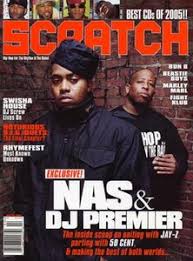

Here is an example of a Hip hop magazine that consists of the type of background that I would like my magazine to have.
The brick- effect that has been used makes the magazine appear more realistic and has a greater effect than a plain background.
Here is an example photo of my first draft for my magazine front cover.
As you can see I have used the same affect with my front cover. I have done this because I feel that using an actual backround is more effective in making the magazine realistic and therefore more approachable for the audience.
Choosing a title (RENEGADE)
I wanted to choose a name for my magazine that was appropriate for the genre of my magazine. I brainstormed some ideas and decided to use a name for my magazine that was a representation of the attitudes that my magazine will represent rather than the actual music. I felt that using names associated with music may hinder the audience from understanding what the magazine is about.
I used 'Renegade' because I feel that Hip-hop is highly affiliated with a rebellious attitude and hope that my magazine cover drafts reflect this too. I wanted the name to come across firm and powerful, and I felt that 'RENEGADE' did a more efficient job of delivering this as opposed to some of my other options like 'Rhythm' or 'The Wire'
Some other titles that I considered were:
- R engaged
- Encore
- The Wire
-Rhythm
I used 'Renegade' because I feel that Hip-hop is highly affiliated with a rebellious attitude and hope that my magazine cover drafts reflect this too. I wanted the name to come across firm and powerful, and I felt that 'RENEGADE' did a more efficient job of delivering this as opposed to some of my other options like 'Rhythm' or 'The Wire'
Some other titles that I considered were:
- R engaged
- Encore
- The Wire
-Rhythm
Subscribe to:
Comments (Atom)